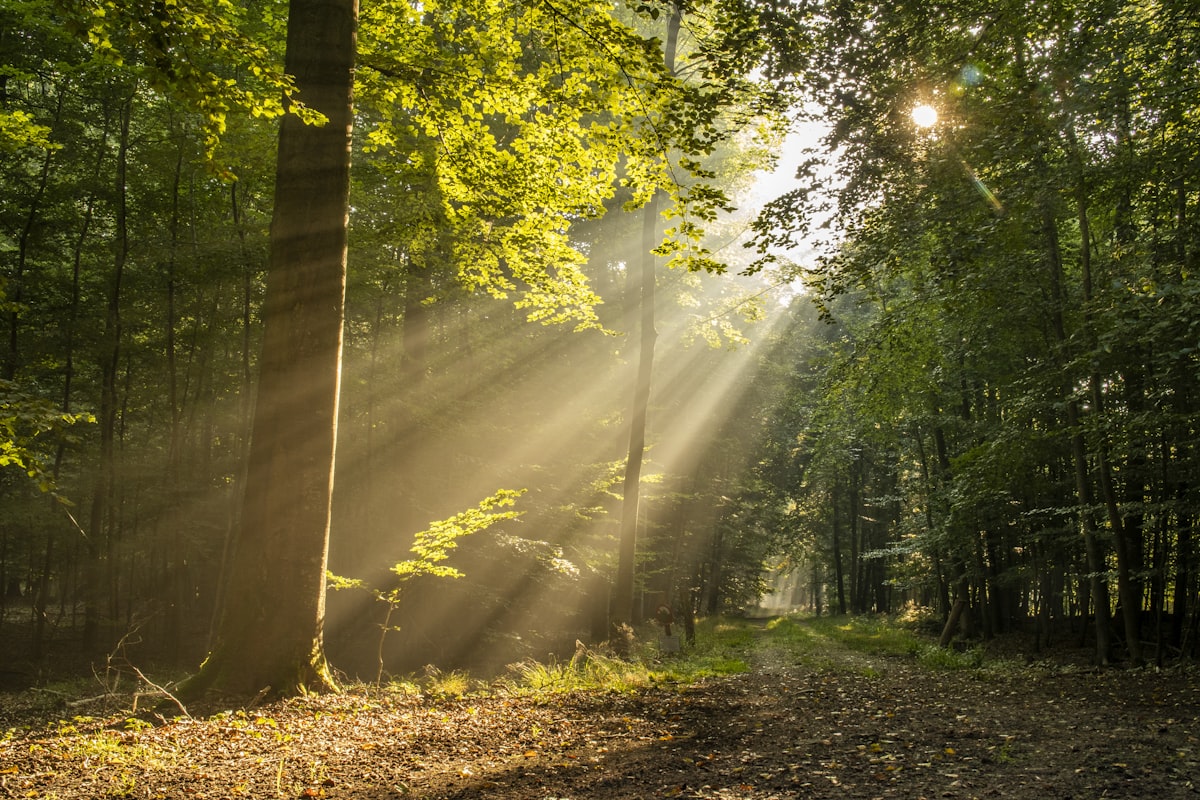
If fire is the element Japan won’t name, light is the one it can’t get enough of. Where 火 (fire) reads as danger, 光 (light) reads as pure blessing — warmth, clarity, hope, the radiance of a person worth looking at. It’s one of the most beloved characters in the whole naming tradition, and it comes with the most famous epithet in Japanese literature attached.
The kanji: 光
光 (hikari, or kō in compounds) is “light,” “radiance,” “a shine.” It builds 光線 (kōsen, a ray of light), 観光 (kankō, sightseeing — literally “viewing the light/sights”), 栄光 (eikō, glory). In names it carries readings well beyond the obvious — hikari, hikaru, kō, mitsu, akari — which is part of what makes it so flexible.
The Shining Prince
The single most famous “light” in Japanese culture is a nickname. In The Tale of Genji (源氏物語) — the eleventh-century novel often called the world’s first — the hero is so radiantly beautiful as a child that the court simply calls him 光る君 (Hikaru no Kimi), “the Shining Prince,” and later 光源氏 (Hikaru Genji).
Here’s the detail worth knowing: that’s not his name. His real given name is never revealed in the entire thousand-page novel — Heian etiquette avoided speaking a noble’s true name aloud. Hikaru, “shining,” is an epithet, a description of the light that seemed to come off him. The “Genji” part just means he was given the Minamoto (源) surname when he was moved out of the line of imperial succession. So the most famous character in classical Japanese literature is known, forever, only as the bright one. That is how much weight 光 can carry: enough to stand in for a name entirely.
There’s a religious layer too. In Pure Land Buddhism, the Buddha Amida is the buddha of 無量光 (muryōkō), “infinite light” — boundless radiance that reaches everyone. To name a child 光 is, faintly, to wish that light onto them.
A name for anyone
Most meaning-words in Japanese names lean one way — the moon feminine, fire avoided, the star hopeful and open. Light goes further than the star: 光 is genuinely gender-neutral. Hikaru is worn by men and women alike; Hikari leans a little feminine but isn’t fixed. A few real names:
光 — Hikaru or Hikari. A whole name in one character, usable for a son or a daughter. Clean, bright, and quietly confident.
光輝 — Kōki. “Light” plus 輝 (ki, to gleam, to sparkle) — radiance doubled. A strong boy’s name.
美光 — Miko / Mitsu. “Beautiful light,” leaning feminine.
光莉 — Hikari. 光 plus 莉 (jasmine), a soft, modern girl’s spelling of the same sound.
The flexibility is the feature. If you want a meaning that doesn’t pre-decide a child’s gender, light is one of the cleanest choices Japanese offers — which is exactly why it keeps climbing the popularity charts.
And your name?
Plenty of names already mean light — Lucy and Lucia and Lucas (from Latin lux), Helen and Eleanor (Greek, “bright, shining one”), Uri (Hebrew, “my light”), Robert (“bright fame”). If that’s you, 光 is its natural home. And if it isn’t, you can still choose to carry the light: run your name through the tool to see the katakana plus meaning-kanji and ateji, 光 among them. For the full picture, see the three ways to write your name in Japanese.
Part of our series on Japanese names by meaning — see also moon, star, fire, and love.